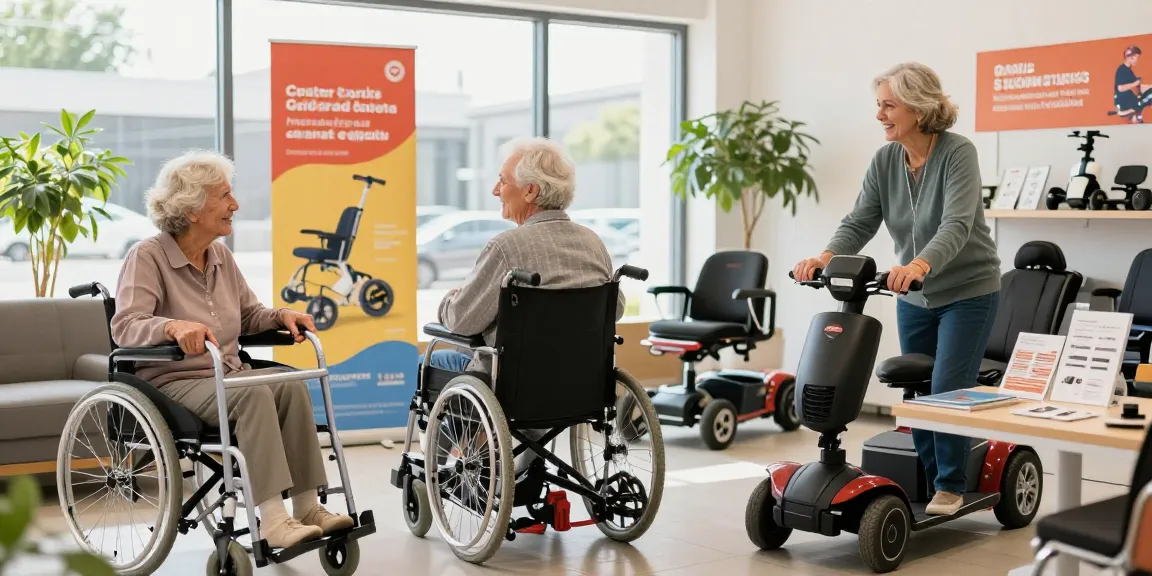
Understanding Mobility Aids: Types and Benefits
In a world where independence is highly valued, mobility aids play a pivotal role in enhancing the quality of life for individuals with mobility challenges. Whether due to age, injury, or disability, navigating daily life can become increasingly difficult without the right support. This comprehensive guide explores the diverse types of mobility aids available, their benefits, and how to buy nobility aids that best suit individual needs.
What Are Mobility Aids?
Mobility aids are devices designed to assist individuals with physical challenges in moving more easily and safely. They can range from simple tools like canes to complex equipment such as powered wheelchairs. The main purpose of these aids is to enhance mobility, improve independence, and promote participation in daily activities.
Common Types of Mobility Aids
- Canes: Ideal for individuals who need minimal support, canes help maintain balance and stability.
- Walkers: These provide more support than canes, ideal for those who may have difficulty balancing.
- Wheelchairs: Available in manual and powered versions, these are essential for individuals who cannot walk or are severely limited in mobility.
- Scooters: Electric scooters offer a convenient alternative for personal transport over longer distances.
- Stairlifts: Installed in homes to assist individuals in moving between floors safely.
- Grab bars: Fixed in bathrooms and other areas to provide support while standing or moving.
Benefits of Using Mobility Aids for Seniors
Mobility aids offer numerous benefits for seniors, including:
- Enhanced Independence: These aids empower seniors to manage daily tasks without relying heavily on assistance from others.
- Improved Safety: Mobility aids reduce the risk of falls, which are a leading cause of injuries in seniors.
- Better Quality of Life: With increased mobility, seniors can engage in social activities and maintain a more active lifestyle.
How to Buy Nobility Aids: A Comprehensive Guide
Assessing Individual Needs
Before purchasing mobility aids, it’s essential to assess individual needs. Factors such as the type of mobility challenges faced, the user’s living environment, and personal preferences all influence the choice of aid. Consulting with a healthcare professional can provide valuable insights into the most suitable options.
Where to Buy Nobility Aids
Mobility aids can be purchased from various sources, including medical supply stores, online retailers, and specialty stores focused on mobility solutions. It’s vital to choose reputable suppliers who can offer a range of products along with customer support. Online resources may also provide user reviews that help in making informed decisions.
Evaluating Quality and Features
When shopping for mobility aids, consider the quality, warranty, and specific features of each product. Items should meet safety standards and be designed for longevity. Features such as adjustable heights, weight capacity, and portability can significantly impact the user experience, making them crucial factors in decision-making.
Financial Assistance for Mobility Aids
Insurance Coverage and Mobility Aids
Insurance can sometimes cover the cost of mobility aids, but coverage varies depending on the policy. It’s important for individuals to check with their insurance providers to understand what is included and whether a prescription is necessary to claim the benefits. Some policies may cover only certain types of devices.
Government Programs and Subsidies
Various government programs aim to assist seniors and individuals with disabilities in obtaining mobility aids. Programs may offer subsidies or even free devices based on financial need. It’s advisable to research local resources, such as state disability services or community programs, which may facilitate access to these aids.
Charitable Organizations Supporting Seniors
Numerous non-profit organizations provide assistance in acquiring mobility aids. These organizations often run donation programs, offering refurbished devices at little to no cost. Engaging with local community centers can uncover available resources tailored to individual needs.
Technology in Mobility Aids: The Future is Here
Smart Mobility Aids and Their Advantages
The integration of technology into mobility aids has resulted in innovative devices that enhance user experience and safety. Smart wheelchairs and scooters equipped with sensors can navigate obstacles, while smart canes may include features like GPS tracking and alert systems for emergency situations.
Integration of Apps and Devices
Mobile applications designed for monitoring health and mobility can complement physical mobility aids. Some apps enable users to track their activity levels, set reminders for medication, and even connect with healthcare providers for virtual consultations.
Future Trends in Mobility Aids for 2026
Looking ahead, the mobility aid industry is expected to continue evolving with advancements in technology. Future trends may include enhanced artificial intelligence features, improved battery technologies for electric mobility devices, and more customizable options tailored to the individual’s lifestyle and preferences.
Real-Life Success Stories with Mobility Aids
Case Study: Transforming Lives with Mobility Aids
One inspiring example of mobility aids changing lives is the story of Mary, a 74-year-old woman who struggled with severe arthritis. After acquiring a lightweight walker, she regained the confidence to go shopping independently and attend social gatherings, significantly enhancing her quality of life.
Testimonials from Users of Nobility Aids
Many users attest to the transformative effects that mobility aids have had on their lives. John, a retired veteran, shared how a motorized scooter allowed him to explore the outdoors again, stating, “I thought my days of enjoying nature were over, but now I feel free again.”
Community Impact: Local Support Groups and Resources
Community support plays a crucial role in helping individuals adjust to using mobility aids. Many areas offer support groups that provide information, encouragement, and a sense of belonging. These groups often share resources and tips on navigating the challenges of reduced mobility.
What are the top brands for buying nobility aids?
When considering which brands to trust for mobility aids, several prominent names stand out. Brands like Drive Medical, Invacare, and Medline are respected for their quality and reliability. Researching user reviews and product specifications can help individuals make informed choices.
Can mobility aids be rented instead of purchased?
Renting mobility aids is a viable option for those who may not need them long-term or who want to test out different devices before making a purchase. Many medical supply companies offer rental programs, which can alleviate financial pressures while still addressing mobility needs.
What should I look for when buying mobility aids?
When purchasing mobility aids, consider factors such as weight capacity, ease of use, and warranty. Additionally, ensure the device meets relevant safety standards and fits comfortably for the user. Personal trials can help determine the best fit before finalizing a purchase.
Are there any workshops on using mobility aids?
Many healthcare facilities and community centers offer workshops on the proper use of mobility aids. These sessions provide valuable information on how to safely navigate various environments and can significantly increase the user’s comfort and confidence.
How can mobility aids improve independence for seniors?
Mobility aids are crucial for restoring independence to seniors, allowing them to perform daily activities that they might otherwise struggle with. By promoting safe movement, these devices enable users to engage socially and maintain their dignity.