
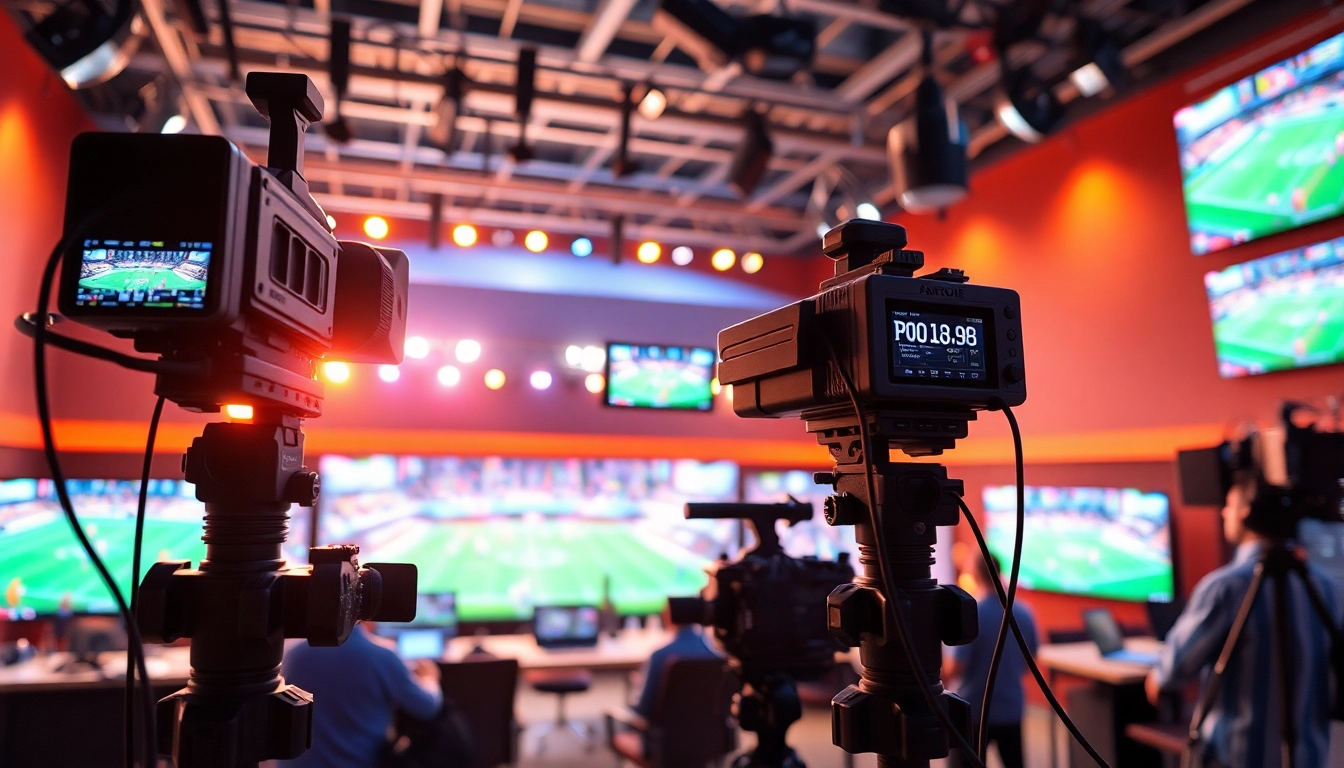
Understanding Sports Broadcasting
Definition and Importance of Sports Broadcasting
Sports broadcasting is the dissemination of sporting events through various media channels such as television, radio, and online platforms. This practice encompasses live telecasts, commentary, and analysis, playing a crucial role in bringing sports to fans worldwide. The significance of Sports Broadcasting lies in its ability to create a communal experience, engaging fans and generating excitement around events. It serves multiple purposes, from enhancing the visibility of athletes and teams to fueling sports culture and increasing revenue through advertising and sponsorships.
Key Components of Sports Broadcasting
The success of sports broadcasting hinges on several key components, each contributing to a rich viewer experience. These include:
- Production Quality: High-definition video, quality sound, and seamless transitions enhance viewer engagement.
- Commentary: Expert analysts and play-by-play commentators bring insight and excitement, enriching the viewer’s understanding of the game.
- Audience Interaction: Engaging fans through social media, polls, and live feeds helps tailor broadcasting to audience preferences.
- Broadcast Timing: Effective scheduling ensures that viewers can catch games live, maximizing engagement.
Historical Evolution of Sports Broadcasting
The journey of sports broadcasting began in the early 20th century, with radio broadcasts becoming the norm. Major events like the 1936 Berlin Olympics marked the transition to television, bringing sports into the living rooms of millions. Over the decades, technological advancements have transformed this landscape dramatically. Satellite broadcasting, cable television, and the internet have all contributed to a more dynamic viewership, introducing concepts like instant replay and multi-camera angles, further enriching the viewing experience.
Technology in Sports Broadcasting
Current Broadcasting Technologies
The landscape of sports broadcasting technology is ever-evolving, with advancements enhancing both the quality and accessibility of sports content. Key technologies include:
- 4K and HDR: High-resolution broadcasts provide stunning visuals, making viewers feel as if they are part of the live action.
- Drone Cameras: Drones provide unique aerial perspectives that traditional cameras cannot offer, enhancing storytelling in broadcasts.
- Augmented Reality (AR): AR overlays data and visuals onto the broadcast, allowing for a deeper understanding of player stats and game strategies.
- Mobile Broadcasting: Streaming on mobile devices allows fans to watch games anywhere, increasing accessibility.
Impact of Streaming Services on Sports Broadcasting
The rise of streaming services has revolutionized the way sports content is consumed. Platforms like Netflix and Amazon Prime have begun to explore live sports broadcasting, leading to competition with traditional broadcasters. This shift has prompted changes in how content is packaged and delivered, influencing everything from subscription models to advertising strategies. The flexibility offered by streaming allows for on-demand access to highlights, replays, and analysis, catering to the evolving preferences of modern viewers.
Future Innovations in Sports Broadcasting Tech
As technology continues to advance, the future of sports broadcasting looks promising. Anticipated innovations include:
- Artificial Intelligence: AI is set to play a role in personalized viewing experiences, curating content based on viewer preferences.
- Virtual Reality: VR might enable fans to experience games from an immersive perspective, simulating being in the stadium.
- Enhanced Analytics: Data analytics will allow broadcasters to present real-time insights about player performance and game dynamics.
- 5G Technology: The rollout of 5G networks will facilitate faster streaming and improve the quality of broadcasts, especially for mobile viewers.
Challenges in Sports Broadcasting
Legal and Regulatory Issues
Sports broadcasting operates under a complex framework of legal and regulatory considerations. Broadcasting rights, copyright laws, and international regulations can complicate the landscape for networks seeking to broadcast events globally. The advent of online streaming has further complicated these issues, as different regions may have varying regulations that impact distribution and access. Staying compliant while navigating these waters is a significant challenge for broadcasters.
Competition and Market Saturation
The sports broadcasting market is marked by fierce competition, with numerous platforms vying for viewer attention. This saturation can lead to challenges, including pricing wars and content differentiation. Broadcasters must find innovative approaches to stand out, continually offering unique angles or exclusive content to attract and retain viewers. With many options available, audience loyalty can be fleeting, making strategic planning critical for sustained success.
Viewership Decline and Engaging Audiences
Despite a rich sports culture, some broadcasters face declining viewership numbers, especially among younger demographics who prefer digital and on-demand content. Engaging this audience requires a multifaceted strategy, utilizing social media, interactive content, and personalized experiences to draw them back in. Adopting a holistic approach that considers the preferences and habits of modern viewers will be vital in reversing this trend.
Best Practices for Effective Sports Broadcasting
Preparing for Live Broadcasts
Preparation is key for successful live broadcasts. This includes meticulous planning of content coverage, ensuring all technical aspects are functioning correctly, and preparing personnel with briefings on critical game elements. Conducting pre-broadcast checks for audio and visual equipment guarantees a smooth presentation. Moreover, having contingency plans in place allows teams to address unforeseen issues swiftly, maintaining a professional image.
Maintaining Audience Engagement
Keeping audiences engaged requires constant innovation. This can involve interactive features, such as live polling or Q&A sessions during broadcasts. Integrating behind-the-scenes content and player interviews can provide unique insights, making broadcasts more relatable. Additionally, a focus on storytelling can create emotional connections between viewers and teams, fostering loyalty and enhancing the viewing experience.
Leveraging Social Media for Broadcasting
Social media is a powerful tool for sports broadcasters, capable of enhancing viewer engagement and extending the reach of broadcasts. Leveraging platforms like Twitter, Instagram, and TikTok can create buzz around games, share highlights, and foster community interaction. Real-time updates, player interactions, and fan-generated content can complement traditional broadcasts and create a richer narrative around the sporting event.
The Future of Sports Broadcasting
Trends Shaping the Future of Sports Broadcasting
Several trends are expected to shape the future of sports broadcasting, including a shift towards more personalized experiences driven by data analytics. Viewers will demand tailored content that fits their preferences, prompting broadcasters to adopt algorithms that customize schedules and highlight reels. The integration of social justice narratives and athlete activism will also play a significant role, as audiences increasingly seek content that resonates with their values.
The Role of AI and VR in Sports Broadcasting
Artificial intelligence and virtual reality are poised to redefine the viewing experience in sports broadcasting. AI can enable smarter content distribution and personalized recommendations, while VR technology may offer fans new ways to interact with sports events virtually. These innovations promise to enhance engagement, allowing fans to immerse themselves in games like never before, thus expanding the traditional viewing paradigm.
Envisioning the Next Decade in Sports Broadcasting
The next decade in sports broadcasting will likely see dramatic transformations, grounded in technological advancements and changing viewer demographics. Expect to see an increase in interactive broadcasts that enable fans to choose camera angles, select commentaries, or even engage in virtual reality experiences. Broadcasters that successfully adapt to these changes will not only survive but thrive, setting new standards for how sports are consumed.
FAQs
What is sports broadcasting?
Sports broadcasting refers to the live or recorded transmission of sports events through various media channels, providing commentary, analysis, and audience engagement.
How has technology impacted sports broadcasting?
Technology has revolutionized sports broadcasting by improving image quality, enhancing viewer interaction, and enabling live streaming on mobile devices.
What are the main challenges in sports broadcasting?
Main challenges include legal regulations, market competition, maintaining viewer engagement, and addressing declining viewership trends.
How can broadcasters keep audiences engaged?
Broadcasters can engage audiences by offering interactive features, behind-the-scenes content, and leveraging social media to foster community interaction.
What does the future hold for sports broadcasting?
The future may see more personalized viewing experiences powered by AI, VR integration, and a focus on social narratives, reshaping how fans experience sports.